HOLLYWOOD, Calif.—In an orgy of tons of money being thrown around, one monster Hollywood entertainment conglomerate, Paramount, bought another, Warner Bros. Discovery, in a $110 billion mega-merger, which could leave unions, workers, consumers, and lawmakers on the outside looking in while CEOs enrich themselves and an oligopoly’s clout grows larger.
And that’s even without taking into consideration that big Donald Trump pal David Ellison, the Paramount CEO, hosted the president at a downtown D.C. bash the night of the deal, April 23. That’s not a coincidence. The sale drew protests in New York in the morning and outside the White House in the evening.
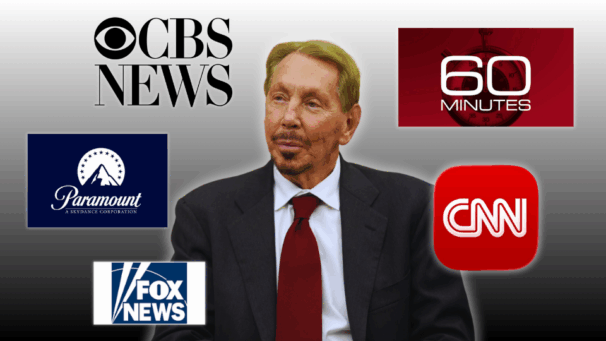
Paramount, which also owns CBS—and which has turned that network’s news division in a Trump-pleasing direction—and the CNN cable news network, gobbled up Discovery just months ago. It won the bidding for Warner by offering $31 a share.
That was four times the trading price of Warner on securities exchanges. The Warner board, meeting by Zoom on the morning of April 23, took just minutes to seal the deal. Voting numbers were not disclosed.
The loser in the war for Warner, Netflix, didn’t do too badly. In an indication of the massive amounts of money capitalists throw around in such transactions, Netflix’s board OKd using the funds it saved from its losing bid for Warner for a $25 billion stock buyback, enriching its investors and its honchos.
In a minor revolt, the Warner board OKd the Paramount deal, but shareholders, a larger group, revolted against the $551 million golden parachute for Warner’s CEO, David Zaslav, and nine-figure sums for his team. The stockholder votes are non-binding, though.
Left outside looking in as all this money and clout were exercised were lawmakers, the Writers Guild of America, and 4,000 top performers, led by longtime political activist Jane Fonda. They signed an open letter against the merger.
And other workers besides the stars fear their jobs could disappear into “economies of scale,” i.e., layoffs and increasing use of artificial intelligence to replace them, or both.
Even the Trump Justice Department, not known for opposing such megadeals, is concerned about the antitrust implications of this one. It would leave Hollywood with only a “Big Four” of entertainment conglomerates, reducing competition and increasing the potential for price-fixing. So the DOJ has already subpoenaed documents from the two firms.
And its review in turn could delay final consummation of the merger for a year, analysts say. Ellison wants to get it done by the third quarter of 2026.
Fonda, who also heads a pro-First Amendment group while continuing her long film and political activism career, led the signers of the anti-deal letter. At an anti-deal Zoom press conference, Sen. Cory Booker, D-N.J., aired a 13-minute video critique of the deal.
Its title: “Warner Bros-Paramount Merger, the Corporate Propaganda Monopoly: Ellison Media Cartel.”
The New York rally against the deal also featured two prominent Democratic politicians: Former city comptroller Brad Lander, who finished third in the initial mayoral primary last year, and Public Advocate Jumaane Williams. Their remarks were unavailable on social media.
“The merged company would become the largest employer of our members. Both companies are industry giants, and the loss of direct head-to-head competition will harm writers and eliminate jobs across the industry,” Writers Guild of America West President Michele Mulroney told the anti-deal Zoom press conference.
“A merger would fundamentally threaten the diversity of storytelling, diminishing American culture and our democracy by increasing the power of gatekeepers to decide whose stories get told.”
With a deal like this, Mulroney said, there’d be one fewer gatekeeper controlling a vast communications company, governing what viewers and listeners see and hear on film, television, and new media.
“Consolidated economic power can easily be turned into political power that threatens free speech and creative expression. It’s simple, [a combination] would create a media behemoth with tremendous leverage to reduce content, to raise prices, to increase control of production, to suppress member compensation, worsen working conditions, and silence the voices of our members,” she elaborated.
Another speaker at the Zoom anti-deal press conference, former CNN Chief White House correspondent —and Trump target—Jim Acosta, said his remaining CNN colleagues feared something like this could happen, producing more censorship.
Ellison pledged CNN will stay independent, but its workers don’t believe him. He’s also seeking $6 billion in cost savings and says they won’t come from firing people. Workers don’t believe that, either.
He promises CNN, which will be part of this big deal, will be “a modern, tech-driven media company.” The words “tech-driven” could imply more use of artificial intelligence to replace people, a big sticking point with the Writers Guild and other performing arts unions.
“One of my former colleagues at CNN told me recently, they’re not worried about hitting the iceberg. They now see the iceberg, and they are bracing for impact,” said Acosta. He cited a comment by Trump “War” Secretary Pete Hegseth that, “the sooner David Ellison takes over that network [CNN], the better.”
The job losses concern Booker. He, too, doesn’t believe Ellison won’t fire people. “We’ve already seen case after case of people saying, before the merger, ‘Oh, we’re not going to do this. Oh, we’re not going to do that,’” Booker said in the video. “And then after the merger, that big corporation turns around, does exactly what they said they wouldn’t do.”
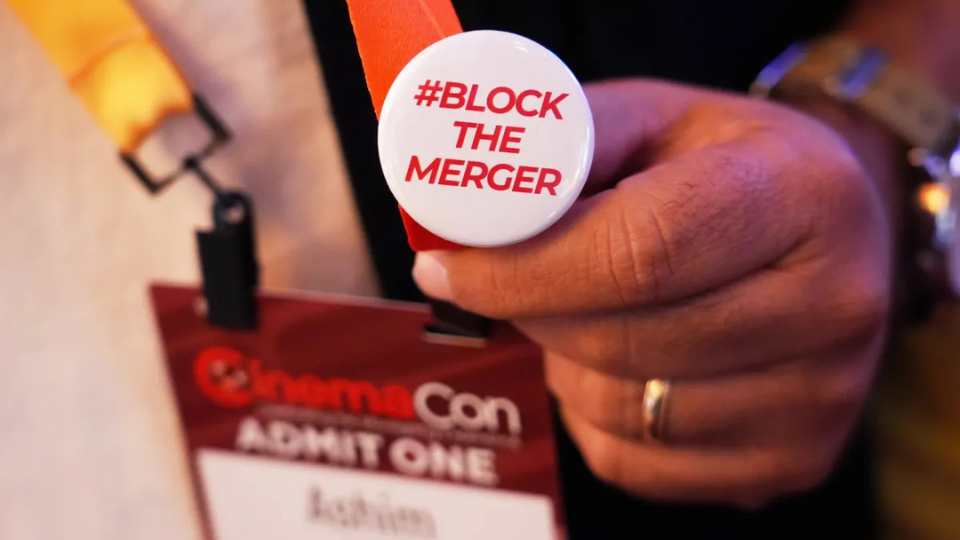
The Fonda-led letter makes the same points about the concentration of oligopoly power due to the proposed sale and the resulting clampdown on content. It’s accompanying a #BlockTheMerger petition.
“We are deeply concerned by indications of support for this merger that prioritize the interests of a small group of powerful stakeholders over the broader public good,” the letter says. “The integrity, independence, and diversity of our industry would be grievously compromised.”
“Competition is essential for a healthy economy and a healthy democracy. So is thoughtful regulation and enforcement.” The merger only increases consolidation and oligopoly in the entertainment industry and threatens “sustainability of the entire creative community,” it adds.
It would cut entertainment industry jobs, threaten independent businesses which depend on filmmaking and other entertainment—a huge part of the economy in Los Angeles, New York, and several other big cities—and would reduce “both competition and creative diversity across the landscape.”
People’s World is in the midst of its annual fund drive, trying to raise $140,000 by May Day. To support working-class journalism, please consider make a donation or become a monthly sustainer. Thank you.
CONTRIBUTOR