WASHINGTON—The 2026 midterm elections are shaping up as battlegrounds to defend the rights of all variety of people harmed by Trump administration policies. Among those entering the electoral arena full force are the nation’s LGBTQ people, who are putting funds, time, and work into campaigns in key battleground states.
It wasn’t too long ago in American history that gay rights groups, if they entered electoral fights at all, did it quietly. These days, they openly announce their plans to replace lawmakers who oppose them with friendly faces in the new Congress.
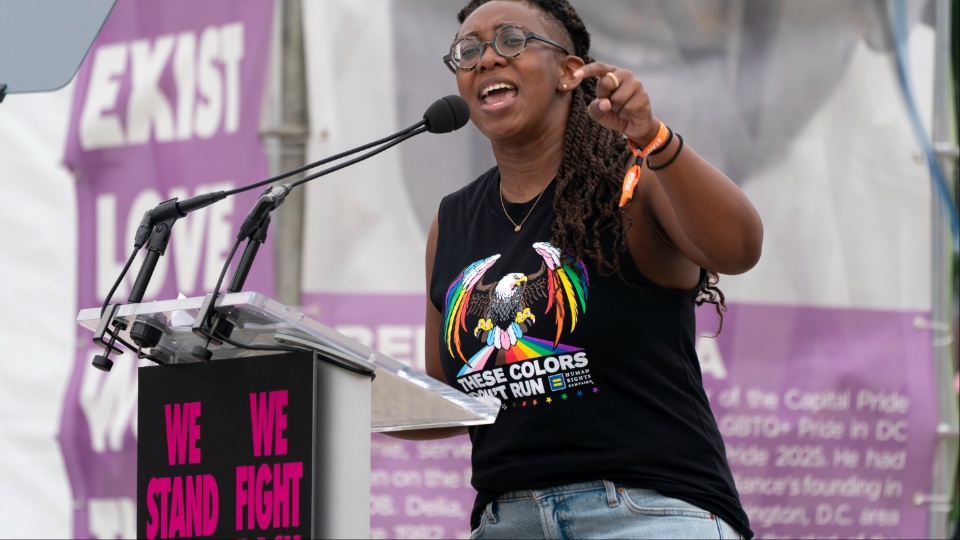
The president of the Human Rights Campaign, Kelley Robinson, is an important example of the commitment by gay rights activists to influence the makeup of Congress. “I think that this is the election that’s going to be the sea change, not only for getting to a pro-equality majority but for changing the momentum on this fight for equality,” she told the press recently.
Her organization has targeted eight congressional districts in which they say a push on LGBTQ rights can result in changing the makeup of the next Congress. And they are not stopping with the House. They are extending their full support to Democrats running for the U.S. Senate in a number of states, including Georgia, Minnesota, New Hampshire, Ohio, and Texas. HRC is dedicating a $15 million budget to the effort.
That approach has won them strong allies in both labor and allied organizations—as well as from long-time Democratic Party activists who believe that all of the districts being singled out by LGBTQ rights activists are important to the overall battle to change the makeup of the next Congress.
Activists in the movement for LGBTQ equality are under no illusions that their efforts will yield easy results. They are well aware that, like other groups in the country, they have endured serious defeats and setbacks at the hands of the Trump administration. In addition to those defeats, they have had to contend with setbacks in the nation’s courts.
President Trump’s Republican administration has rolled back protections for transgender people, such as banning them from serving in the military and cutting off gender-affirming care for children. The U.S. Supreme Court’s conservative majority has upheld Republican states’ restrictions while striking down bans on “conversion therapy” practices even in Democratic states.
In some ways, the movements for LQBTQ rights have taken for granted that the victories won over recent decades meant that some of the big battles were over. The mood when the Supreme Court upheld the right to same sex marriage in 2015 was euphoric. Many did not expect that the victory would be under threat only a few years later.
Likewise, civil rights activists and immigrant rights activists believed that victories won over the years would not come under threat again from powerful right-wing forces in the country. They, too, have seen massive reversals.
“I believe that our movement made ourselves believe that we were closer to equality than we actually are,” Robinson told the Associated Press recently.
If the determination to enter the electoral arena during the midterms is any indication, the LGBTQ rights movements and the allied movements of labor, civil rights, and others are not going to be repeating previous tendencies to overestimate the durability of past victories and underestimate the strength of right-wing forces on the country determined to reverse them.
“This movement is ready for its next wind, its second wind,” Robinson said.
AP reporting provided material for this story.
People’s World is in the midst of its annual fund drive, trying to raise $140,000 by May Day. To support working-class journalism, please consider make a donation or become a monthly sustainer. Thank you.
CONTRIBUTOR