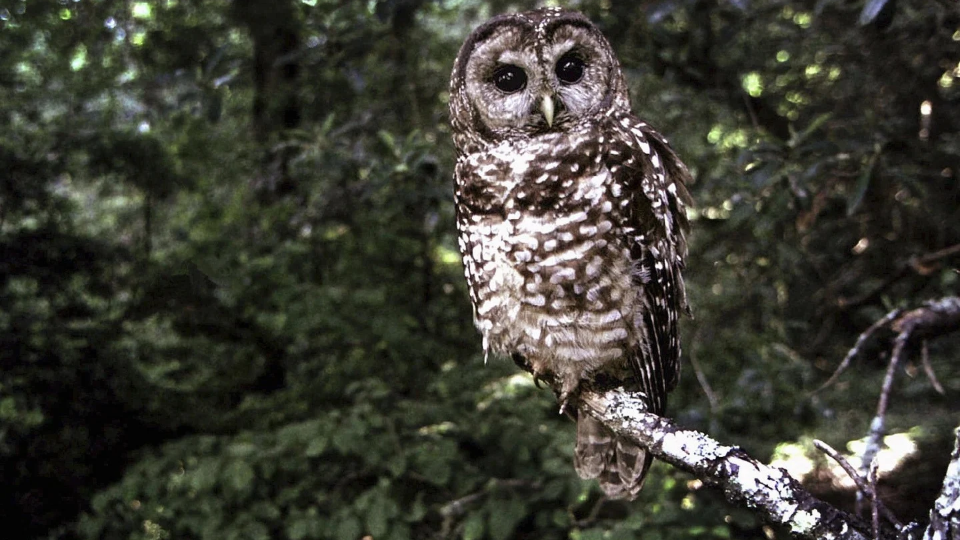
The Trump administration is rolling out changes to the Endangered Species Act that critics argue will make the law borderline useless in protecting vulnerable species.
The U.S. Fish and Wildlife Service (FWS) and the National Oceanic and Atmospheric Administration (NOAA) issued a new rule on how to implement the Endangered Species Act, specifically redefining the Act’s definition of harm to exclude habitat destruction.
In 1975, the FWS expanded the definition of “harm” from direct harm to include environmental degradation, arguing that Congress, in the Purposes section of the Endangered Species Act, asked the agency to “provide a means whereby the ecosystems upon which endangered and threatened species depend may be conserved.”
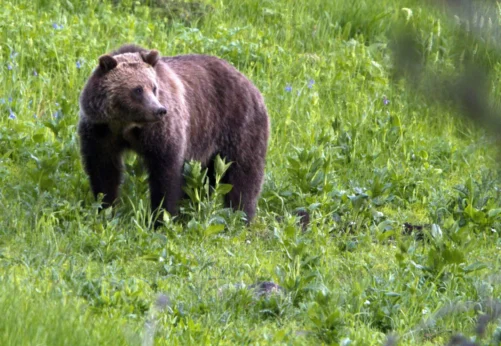
The new update from FWS fully rescinds the 1975 amendment to the definition of “harm,” instead reverting to a 1933 version of the act, which focused on direct actions against individual animals and used terminology such as “harass, harm, pursue, hunt, shoot, wound, kill, trap, capture, or collect, or to attempt to engage in any such conduct.”
Secretary of the Interior Doug Burgum supported the change, arguing the definition of “harm” in the Endangered Species Act was “weaponized to stop almost any new project in America,” referring mostly to real estate development efforts. President Donald Trump went a step further on his social media platform Truth Social, claiming “Radical Climate Activists” hold the U.S. “hostage.”
The move marks a trend of the Trump administration opening areas like the Gulf of Mexico, nationally protected forests, and national monuments to increased human activity.
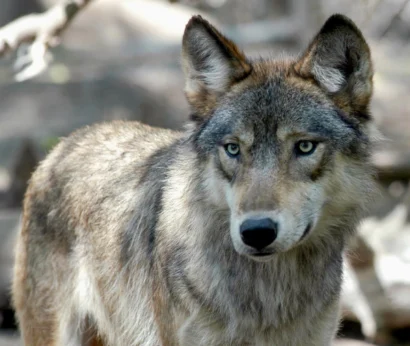
Despite the administration’s rhetoric, however, the consensus of international organizations is that habitat destruction is one of the single greatest threats to biodiversity in the world and an important component in a deluge of other extinction pressures.
Wildlife advocates widely criticized the move. Director of Research for the Wilderness Society Mariah Meek bluntly said the rule change “guts the Endangered Species Act.”
Arlene Montgomery, director of Friends of the Wild Swan, said, “It’s a dangerous precedent when the government thinks that they can just change a regulation that’s implementing an act without changing the act.”
In a press release following approval of the new rules, Earthjustice Attorney Kristen Boyles said that habitat modification usually means destroying habitats where species “live, raise their young, or search for food.” She cited opposition from U.S. Senators, scientists, a group of 25 lawyers, and a group of 131 environmental organizations, all of whom call for the restoration of the previous rules under the Endangered Species Act.
Earthjustice also announced it would file a lawsuit on behalf of Sierra Club, WildEarth Guardians, National Parks Conservation Association, Conservation Council for Hawai’i, and Humane World for Animals.
The Swinomish and Squaxin Island Tribes of Washington state separately filed another lawsuit against the rule change. In the tribes’ announcement of their suit, Swinomish Chairman Steve Edwards argued that the habitat modification permitted by the rule change will leave the tribes unable to protect the habitat of the ESA-protected Chinook Salmon that comprise “a pillar of our Treaty rights and our cultural lifeways.”
No paywalls at People’s World
We hope you appreciated this article. At People’s World, we believe news and information should be free and accessible to all, but we need your help. Our journalism is free of corporate influence and paywalls because we are totally reader-supported. Only you, our readers and supporters, make this possible. If you enjoy reading People’s World and the stories we bring you, please support our work by donating or becoming a monthly sustainer today. Thank you!
CONTRIBUTOR