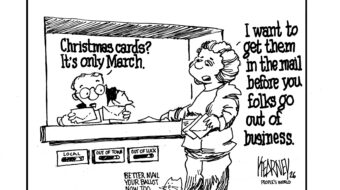
WASHINGTON—A nickel increase in first-class stamp prices on July 13 will “greet” new Postmaster General David Steiner, a former FedEx executive pushed by the GOP Trump regime, the day before he takes over the U.S. Postal Service, a pro-consumer advocacy group says.
And that hike to 78 cents for the stamp on a first-class letter isn’t good for the USPS or for Steiner, declares the group, Keep US Posted. It will end up causing a loss of business, the organization says.
The group, headed by ex-Rep. Kevin Yoder, R-Kansas, not only opposes the rate hike—it wants to leave the decision to Steiner—but also says the USPS should trash predecessor Louis DeJoy’s so-called “Delivering for America” plan, or at least its automatic increases in the prices of stamps..
“We believe it is counterproductive for another postage surge to take place immediately before you undertake leadership of the Postal Service, as it will deprive you of the ability to thoroughly assess, and potentially rectify, one of the most destructive policies in DeJoy’s Delivering for America plan,” Yoder wrote to the USPS board on July 3.
Letter Carriers President Brian Renfroe disagrees. Delivering for America had and has problems, but “now is not the time for radical U-turns” in the middle of its 10-year schedule, he told lawmakers.
DeJoy claimed his 10-year plan would wipe out USPS red ink, too. It hasn’t. Another postal union suspects DeJoy’s plan was a stalking horse for GOP President Donald Trump’s real goal: Privatizing the USPS, trashing its union contracts, selling profitable sections to Wall Street corporate interests, and dumping the rest of the country into the dead letter bin.
The increase comes as flak continues over DeJoy’s plan, even though he stepped down as PMG several months ago. Foisted on the USPS Board of Governors by GOP President Donald Trump in July 2020, DeJoy got the board to impose a series of rate hikes, driving the price of that single stamp up from 50 cents in 2019 to its current 73 cents.
But even more controversial, DeJoy slowed service standards—meaning first-class mail that used to take two days would take three, and mail that used to take three days would take five. He also closed big sorting centers, forcing members of the Postal Workers into suddenly moving hundreds of miles to keep their jobs, or quitting.
The situation got so bad nationwide, but especially in Baltimore, Detroit, and the entire state of Georgia, that lawmakers were bombarded with constituent complaints. DeJoy shrank “on-time” delivery targets nationally from 85% of scheduled arrivals to 65%. But they crashed as low as 36% during and after the holiday season in Georgia in 2023.
Other DeJoy edicts were so bad, such as an overtime ban, forcing Letter Carriers to leave first-class mail on sorting room floors, that thousands of rank-and-file USPS workers demanded the board fire DeJoy. It didn’t.
Approved DeJoy plans
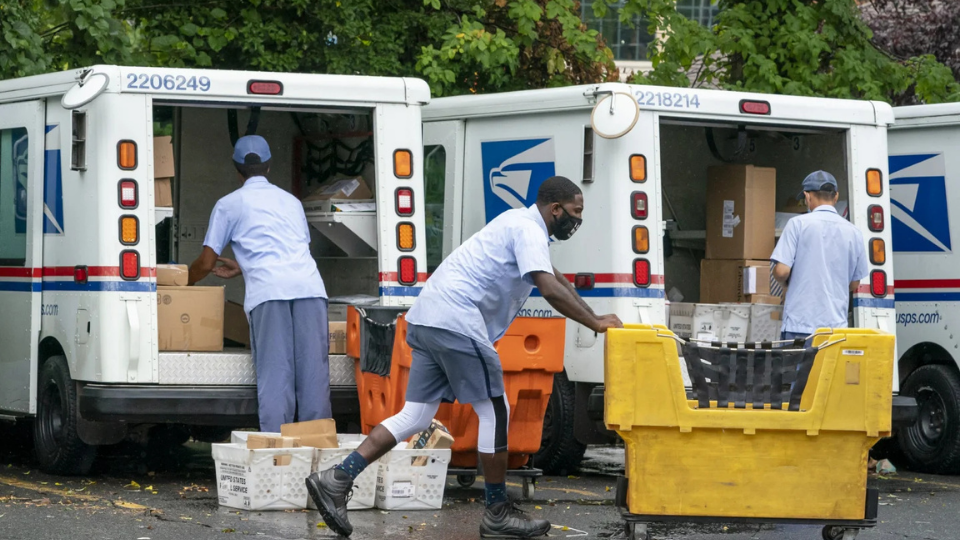
Instead, the board approved plans by DeJoy, a former CEO of the non-union parcel service XPO Logistics and a GOP big giver for almost 50 years, to switch the USPS’s emphasis from delivering cards, letters, and other first-class mail, including medicines, to delivering parcels and flats.
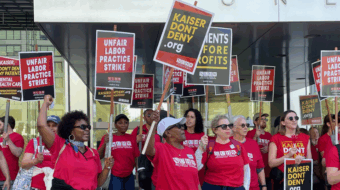
All that and more not only angers the consumer group, but raises the ire of postal unions, said NALC President Renfroe, the only Democratic-named witness at the GOP-controlled House Oversight Committee’s June 24 hearing on the USPS’s future.
Renfroe brought complaints to the House panel. But he said nothing about the rate hike, which hadn’t been announced at the time he testified. NALC opposed Steiner’s nomination to head the USPS as “a clear conflict of interest,” since he comes directly from a top Postal Service competitor, FedEx.
North Carolinian DeJoy, too, had rampant conflicts of interest—such as awarding a no-bid contract to a non-union Carolina firm to build new electric vehicles for USPS when a UAW-unionized vehicle manufacturer, Oshkosh ByGosh, was ready, willing, and able to construct them in Wisconsin.
Declaring the USPS is essential to commerce, written into the Constitution, and a key transportation conduit for modern Internet-based commerce, Renfroe said even with “major hiccups,” “challenges,” transfers, flak, and a rocky start, DeJoy’s plan shows Letter Carriers are “adaptable,” come what may.
The Postal Service “seeks to reengineer its transportation, processing, and delivery networks—all built with much heavier letter mail volumes in mind—to handle the mail mix of the future, which includes tens of billions of packages and a much wider variety of non-traditional first-class and marketing mail.
“NALC does not entirely agree with every detail of Delivering for America, particularly to reduce the quality of service for marginal savings, and we pushed back against certain parts, but we are largely supportive of the main modernization efforts.
“Now is not the time for radical U-turns. We must invest and modernize, not downsize and privatize.”
The current mail processing network was set up “decades ago” to handle first-class letters, and they’re an important though declining share of Postal Service volume, he explained. USPS data also show that even when the USPS ran deeply in the red, first-class letter mail usually didn’t.
“Our work has changed significantly since then, and we now deliver more parcels than ever. The plan seeks to modernize the network to accommodate these changes and to improve the functionality of the Postal Service and the work Letter Carriers do,” Renfroe added.
“Modernization is a must to remain competitive and keep providing the essential service Americans count on…The agency tries to rebuild its ship while crossing the ocean.”
Keep US Posted had its own idea, besides sending Delivering for America to the dead letter office: Limit postal rate hikes to once a year for first-class and other top-priority mail. That would “restrict stamp price increases,” its executive director, former Rep. Yoder, said.
We hope you appreciated this article. At People’s World, we believe news and information should be free and accessible to all, but we need your help. Our journalism is free of corporate influence and paywalls because we are totally reader-supported. Only you, our readers and supporters, make this possible. If you enjoy reading People’s World and the stories we bring you, please support our work by donating or becoming a monthly sustainer today. Thank you!
CONTRIBUTOR