PHILADELPHIA—By many metrics, Philadelphia is more affordable than some other big cities. Unfortunately, that doesn’t help the plurality of the city’s people, rent- or mortgage-burdened, get a leg up. The mayor and the progressives on City Council have different ideas on how to address the city’s affordability crisis, with the only unanimous point of agreement being that there is an affordability crisis. The cost of living, while lower than in New York, remains notable in one of the country’s poorest big cities.
According to a Census Bureau report from last year, within the last two years, Philadelphia’s poverty rate fell from 20.3% to 19.7%, dropping behind Houston, Texas, in the list of highest poverty rates in the U.S. According to the most recent census data, the median household income in the city is $60,521.
A December USA Today story by Daniel de Visé on affordable big cities suggested you could expect to live comfortably (spending no more than half of your income on “needs,” with 30% spent on wants and 20% on savings) in Philadelphia at a salary of $86,763. That’s quite a bit more than the city’s median income.
In May of last year, the Housing Initiative at Penn published a research brief on “Current Housing Needs in Philadelphia.” They found that around 33% of renters and 16% of homeowners spend more than 50% of their income on housing, including 70% of renters and 63% of homeowners with incomes below 30% of the Area Median Income, who spend more than half their income on housing.
This past December, the Federal Reserve Bank of Philadelphia published a brief on “Affordability Challenges and Barriers to Homeownership in Philadelphia.” According to their report, the rate of homeownership fell from 57.5% to 52.4% in Philadelphia from 2005 to 2023 (outpacing the national drop of 66.9% to 65.3%), and median homeownership costs more than doubled between 2014 and 2024, with less than 40% of homes affordable for median-income households (down from 60% in 2013-2015).
What do the city’s elected officials intend to do to fix this?
Last January, Councilmember Rue Landau (a former tenant attorney) introduced the Move-in Affordability Plan, a legislation package intended to reduce excessive rental fees and increase housing accessibility. The version of the package that went into effect in December capped rental application fees at $50 and dictated that renters would be permitted to pay security deposits over the cost of one month’s rent in installments rather than a lump sum if the landlord manages three or more properties.
This past October, City Councilmember Nicolas O’Rourke proposed the Affordable Philly Now plan, with legislative goals to establish a rent rebate program for low-income seniors, widows, and people with disabilities; create a fund to preserve free SEPTA passes for residents living in poverty; develop a task force to create other plans for lowering the cost of living; and amend the City Charter to prohibit privatization of the Philadelphia Water Department. Councilmember O’Rourke has positioned his plan as a way to fight back against both the “neoliberal corporatist playbook” (as covered by Sean Collins Walsh and Anna Orso in the Philadelphia Inquirer) that has seen municipalities across privatizing utilities, leading to rising prices, and a way to fight back against Trumpism (as covered by Meir Rinde in Billy Penn).
“That man’s argument to America has been from day one, ‘you can’t trust the government, drain the swamp, they are why you’re struggling, but I’m your guy.’ […] We’ll collaborate to produce policies that make a real difference, but we’re also going to uplift what’s happening right now, to ease the cost of living right now.”
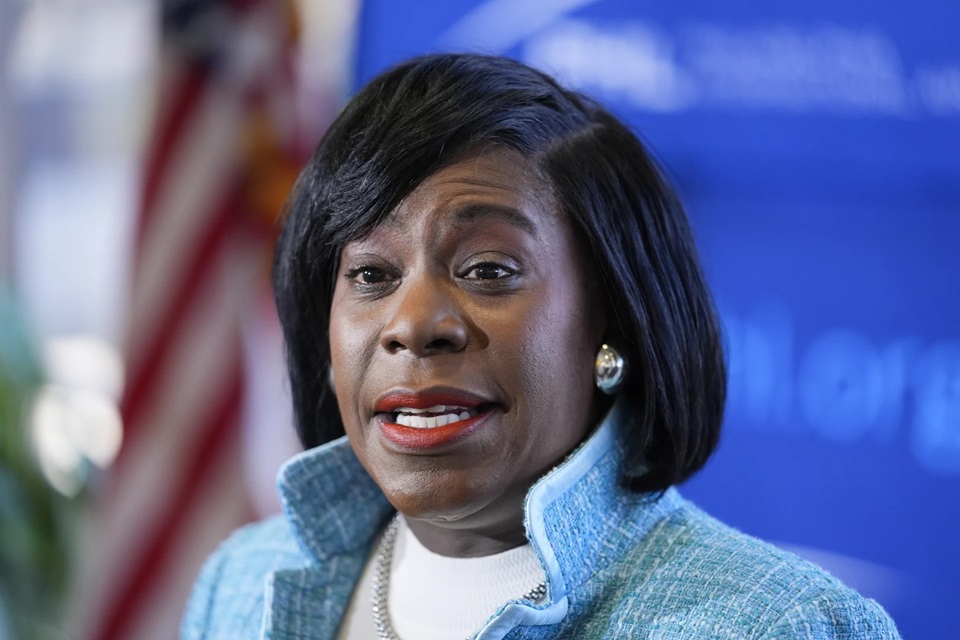
Mayor Cherrelle Parker put forward the H.O.M.E. (Housing Opportunities Made Easy) Initiative last spring, intended to address the age and quality of housing. According to the legislative program primer put together by Philly Stat 360, most Philadelphia homes were built before 1960—around 40% before 1939, another 25% between 1940 and 1955. Meanwhile, 37% of homeowners and 41% of renters have serious repair needs. The first bills from the package were all about development—four amending the Zoning Code and a fifth accelerating land transfers into the Philadelphia Land Bank.
According to Lawrence McGlynn in the Philadelphia Hall Monitor, in November, there were contentious hearings between the Parker administration and the progressive members of the city council, who praised the plan but questioned its initial allocations. Essentially, they want a greater focus on prioritizing families in the greatest need, securing affordable housing beyond government-financed units whose rent-suppressing contracts expire in the next decade, supporting renters, and building truly affordable housing.
For whatever it’s worth, the State House passed a bill to raise the minimum wage across the state, starting at $15 in Philadelphia and $12 in the next 16 most populous counties, with a gradual increase thereafter. The Republican-held State Senate has not moved on the bill.
The wide range of tariffs put forward by the Trump administration last year in an omnidirectional trade war and extortion campaign has also had a negative impact on housing development across the country. On Friday, February 19, the Supreme Court struck down most of those tariffs in a 6-3 decision. This is good for developers in Philadelphia and across the country, but it won’t help those in need of housing if it’s still priced out of their range.
As Kevin Harris and Richard McDaniel wrote for the Philadelphia Tribune in February, social issues fall to the wayside for minority voters when the cost of living becomes the primary contradiction they have to contend with.
This is obvious whether you want to approach it from Maslow’s hierarchy of needs or the basic Marxist principle of primary and secondary contradictions. It’s difficult to advocate for yourself when you can’t clothe and house yourself. Voters around the country in 2025, especially in states like New Jersey and Virginia, saw Black and Latinx votes rebound strongly against Republicans after surprising gains in the 2024 election.
In Philadelphia, Democratic dominance can breed complacency and corruption, but luckily, we have the Working Families Party as the preeminent minority party to fight for affordability for workers and their families, and to pressure Democrats to do the same.
As with all news-analysis and op-ed articles published by People’s World, the views reflected here are those of the author.
We hope you appreciated this article. At People’s World, we believe news and information should be free and accessible to all, but we need your help. Our journalism is free of corporate influence and paywalls because we are totally reader-supported. Only you, our readers and supporters, make this possible. If you enjoy reading People’s World and the stories we bring you, please support our work by donating or becoming a monthly sustainer today. Thank you!
CONTRIBUTOR