
Oklahoma has joined a growing list of states targeting trans healthcare. And it’s no longer only minors whose health access is under attack, as the legislature there passed a law in May that targets gender affirming care for adults. The law, SB 904, takes a dual-track approach to restricting access.
The first is suspending the ability of the state’s public funds and Medicaid program (called SoonerCare) to pay for gender affirming treatments; the second is barring public properties from administering gender affirming care to patients, including both minors and adults.
The law contained an emergency clause that instantaneously triggered some of its provisions immediately upon passage, even though it doesn’t officially go into effect until Nov. 1. The Oklahoma Health Care Authority announced on June 4 that it will deny insurance claims for procedures used to treat gender dysphoria.
LGBTQ advocates in Oklahoma, like Cole McAffee of the Freedom Oklahoma queer rights organization, were already reporting care disruptions for trans patients even before the bill became law. McAffee’s warnings are backed up by reports of gender-affirming care losses in the University’s Health system.
In a statement condemning Oklahoma’s passage of the Medicaid ban, the Human Rights Alliance expressed being “particularly troubled by the expansion of these restrictions to adults” and argued that the law will place burdens on those facing “economic hardship, discrimination, and inadequate access to healthcare.”
The efficacy of gender affirming care has been repeatedly affirmed by healthcare organizations in the United States and around the world, but that mattered little to Oklahoma legislators.
Section 1 of SB 904 specifies that the treatments covered in the bill are only banned if performed to affirm gender identities “inconsistent with the individual’s biological sex,” meaning that it will only allow the listed treatments if they align a patient’s gender expression with their gender assigned at birth.
The bill’s author, State Sen. Todd Gillihare, R-Kellyville, justified it on the grounds that Oklahoma’s Medicaid program needs to be managed with “discipline and transparency.” He argued that the state needs to set “boundaries around the use of taxpayer dollars.” Other lawmakers, including State Rep. Ellen Pogemiller, D-Oklahoma City, however, retorted that it’s “none of our business as lawmakers to decide who gets access to that [gender affirming] care.”
The enactment of SB 904 adds Oklahoma to n a list of 11 other states restricting Medicaid from covering gender affirming care for adults. The major cause of renewed scrutiny of gender-affirming care for adults is the Supreme Court’s ruling in United States v. Skrmetti, a case concerning a Tennessee law prohibiting gender-affirming care for minors. 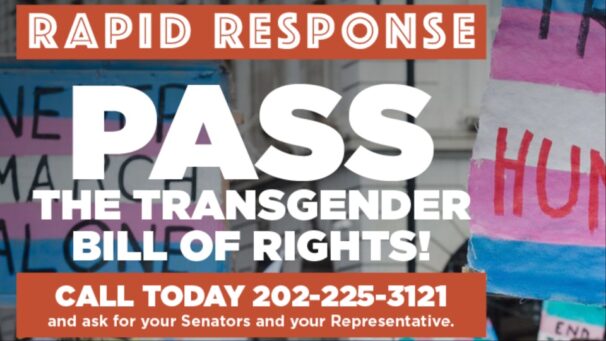
The Supreme Court ruled that states could discriminate in the coverage of gender affirming care when it comes to minors and people diagnosed with gender dysphoria, a mental health disorder many trans people have when they can’t express the gender identity they feel inside.
Despite the Supreme Court’s ruling in Skrmetti being limited to minors, a number of states and appeals courts are inching up to banning healthcare for young adults. A ruling by the 4th Circuit Appeals Court in Anderson v. Crouch stated that “it is not irrational for a legislature to encourage citizens “to appreciate their sex” and not “become disdainful of their sex” by refusing to fund experimental procedures that may have the opposite effect.
In addition to the publicly funded insurance and care determinations outlined in SB 904, advocates are raising concerns that the law will have a chilling effect on private insurers as well.
In one report covering the national impacts of Medicaid denial of adult gender affirming care, the Senior Field and Policy Director at Transgender Education Network of Texas, Andrea Segovia, detailed reports of coverage denials in Texas, one of the states that banned Medicaid for adults.
Carmel Shachar, director of Harvard Law School’s Health Law and Policy Clinic, predicts the efforts of states to restrict Medicaid access for adults will cause private insurers to argue “Medicaid’s not covering, [so] we don’t want to cover it.”
To fight back against the national assault on gender affirming care, some representatives in the U.S. Congress are pushing to pass Rep. Pramila Jayapal’s, D-Wash., House Resolution 1058, which would codify a Transgender Bill of Rights that protects gender affirming care for trans communities.
Additionally, some individual cities, like New York City, are increasing funding for trans healthcare. But with the far right holding power in Congress, the executive branch, and many states, organizing for queer rights during the midterms and beyond is a necessary part of the fightback.
We hope you appreciated this article. At People’s World, we believe news and information should be free and accessible to all, but we need your help. Our journalism is free of corporate influence and paywalls because we are totally reader-supported. Only you, our readers and supporters, make this possible. If you enjoy reading People’s World and the stories we bring you, please support our work by donating or becoming a monthly sustainer today. Thank you!
CONTRIBUTOR